
The Irony Of Minimalism
- projectdhvanioffic
- May 31, 2025
- 2 min read

By Niharika Guleria
The Irony of Minimalism: why “less” leads to
more consumption
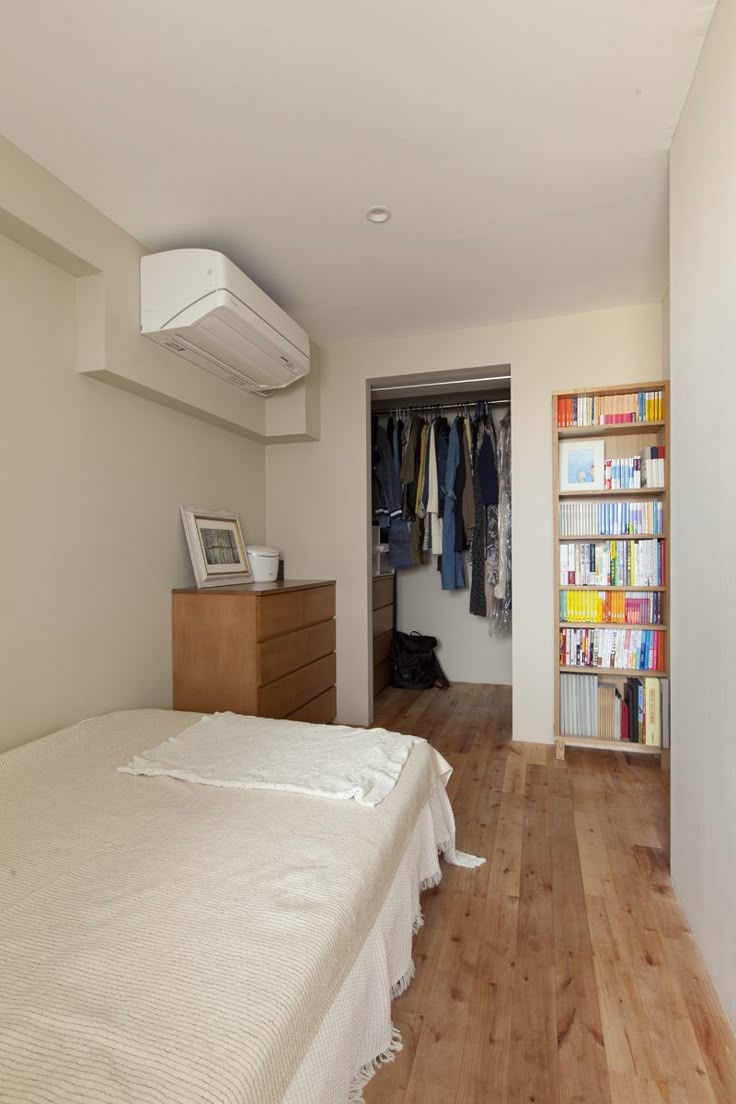
Minimalism in the reference of “white spaces and backgrounds” clean visuals,
decluttered surroundings and references to “organised neat spaces”
You’ve seen it: the beige tones, clean fonts, one cup of coffee, and the caption:
“simplicity.” But here’s the thing: that’s not minimalism. That’s just branding.
Minimalism once stood as a quiet rebellion against excess — a call to step away from
the noise, declutter life, and prioritize meaning over materialism. But somewhere along
the way, this philosophy was packaged, branded, and sold right back to us. Ironically,
the movement meant to help people own less has become a thriving industry
encouraging them to buy more.
Minimalism, as it exists today in mainstream culture, is no longer just a mindset. It’s a
look, a lifestyle, and — most notably — a lucrative market. At first glance, minimalist
marketing feels different. It’s subtle. Clean lines, earthy tones, and phrases like
“essential,” “timeless,” and “conscious”, “clean”. The language isn’t aggressive — it’s
soothing, reassuring. It tells you that this purchase is thoughtful, maybe even necessary.
Entire companies now center their identity around minimalist values. They sell limited,
high-quality product lines — simple wardrobes, unbranded accessories, neutral home
goods — all promoted as tools for a calmer, more intentional life. The messaging often
implies that to be minimalist, you must first overhaul what you own.
So consumers donate, declutter, and then restock — this time with “minimalist” versions
of the things we already own. Minimalism has become an aesthetic, not a mindset.
Clean doesn’t mean calm. Beige doesn’t mean balanced .
So instead of asking: “Does this look minimalist?”
Maybe we should ask: “Is this giving me mental clarity or just the pressure of fitting in a
new microtrend that will eventually be over?
The irony is: chasing the minimalist aesthetic can become a new pressure. A new mold
to squeeze into. Minimalism isn’t the look of your grid. It’s the freedom to create without
constantly feeding the algorithm.


Comments